Introduction
In today's busy globe, ensuring the safety and security and well-being of children in instructional settings is of utmost significance. With raising worries concerning wellness emergency situations and accidents happening in schools and daycare facilities, the demand for appropriate training in first aid has never been a lot more pronounced. This write-up explores The Effect of Child care Emergency Treatment Training on Kid Safety in Educational Settings, exploring just how extensive training outfits instructors with necessary skills to react properly to emergencies.
The Impact of Childcare First Aid Training on Kid Safety in Educational Settings
Childcare emergency treatment training is not simply a referral; it's a need. When educators are trained in first aid, including mouth-to-mouth resuscitation (Cardiopulmonary Resuscitation), they are better prepared to handle emergency situations ranging from small injuries to serious situations. As an example, imagine a circumstance where a kid collapses or experiences a serious allergic reaction. An instructor equipped with first aid understanding can give instant support while awaiting professional help, potentially conserving a life.
Understanding Emergency treatment Training
First help training encompasses various techniques and procedures designed website to give immediate care to someone struggling with an injury or health problem up until professional clinical assistance shows up.
What Does First Aid Training Include?
- Basic life support Wound care Recognition of medical emergencies CPR training Use of automated exterior defibrillators (AEDs) Handling choking incidents
By joining emergency treatment courses, instructors obtain confidence and the capacity to act emphatically throughout critical moments.
Importance of First Aid Certification in Educational Settings
Having a valid emergency treatment certification can significantly boost the security society within universities. Qualifications verify that an individual has the required abilities and knowledge to respond appropriately throughout emergencies.

Benefits of Being Qualified:
Enhanced Confidence: Understanding what to do can ease stress and anxiety throughout emergencies. Legal Protection: In some jurisdictions, having accreditation can give lawful cover for teachers acting in great faith. Promotion of Security Culture: A licensed team member urges others to prioritize safety.Corporate First Aid Training vs. Child Care First Aid Course
While corporate emergency treatment training frequently focuses on adult-related injuries and workplace hazards, child care emergency treatment courses particularly attend to problems pertinent to youngsters-- such as recognizing indicators of ailment that might vary from adults.
Key Differences
|Facet|Corporate First Aid Training|Childcare Emergency Treatment Course|| -----------------------------|-----------------------------|----------------------------|| Target market|Adults|Children|| Focus Areas|Workplace injuries|Pediatric emergency situations|| Strategies Highlighted|General first aid|Child-specific techniques|
Understanding these distinctions can aid schools pick the right kind of training for their staff.
Essential Skills Educated in Child Care First Aid Courses
Educators enlisted in child care emergency treatment courses find out various vital skills, which include:
1. Assessing the Scenario Quickly
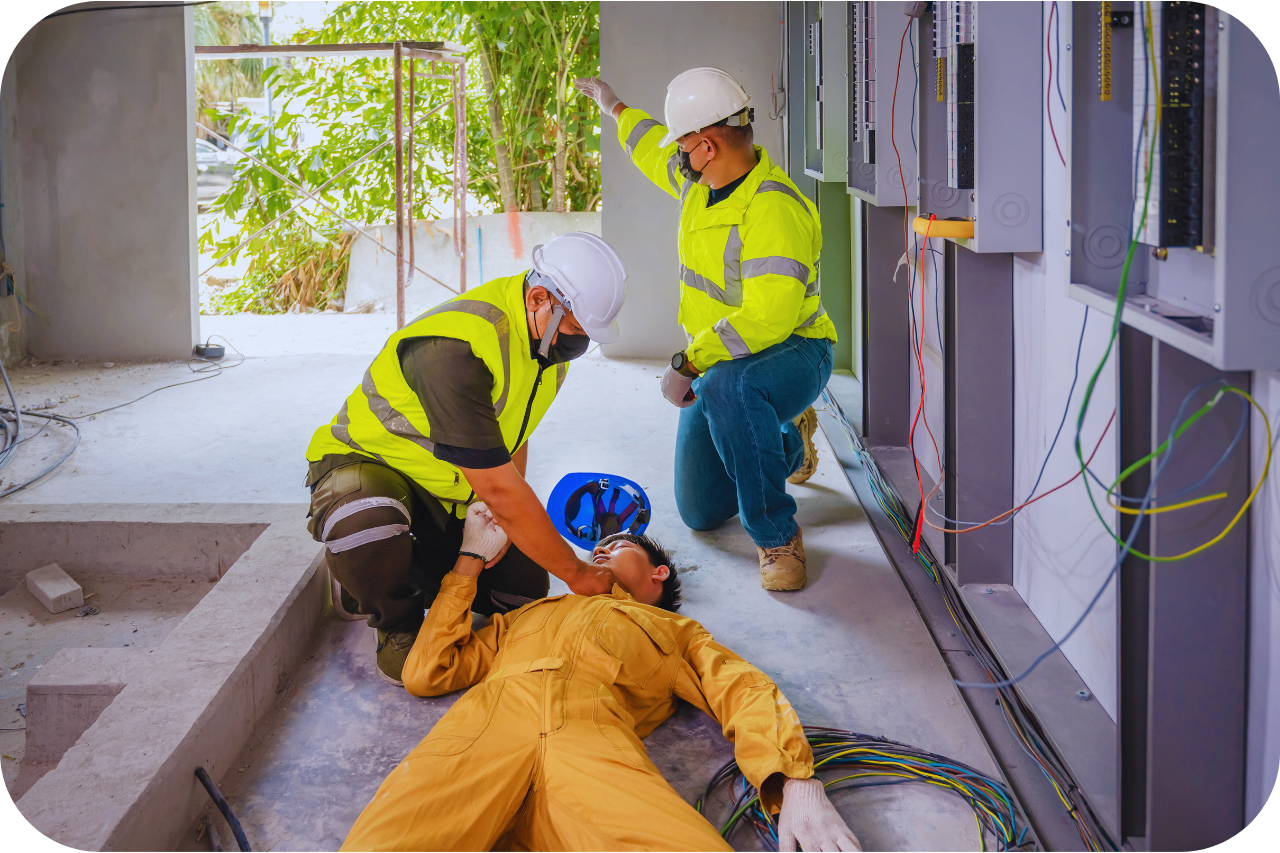
The capability to evaluate an emergency situation is critical. Quick assessment aids in figuring out the best strategy, whether it includes calling for help or carrying out fundamental care.
2. Carrying Out CPR on Children
CPR techniques differ when related to children versus grownups. Educators needs to discover age-specific treatments, such as compression depth and regularity customized for infants and toddlers.
3. Handling Choking Incidents
Choking prevails among young children because of their exploratory nature and propensity to place objects in their mouths. Understanding just how to Childcare first aid course carry out back impacts and stomach thrusts is essential.
4. Responding to Allergic Reactions
With climbing rates of food allergic reactions among kids, recognizing symptoms like hives or swelling is essential. Educators must be trained on exactly how to provide epinephrine auto-injectors if necessary.
5. Injury Treatment Techniques
Properly cleaning and dressing injuries avoids infections, making it vital for educators to recognize exactly how to handle cuts and scrapes effectively.

6. Handling Behavioral Emergencies
Mental health and wellness first aid is significantly identified as necessary within educational setups, equipping instructors with tools to assist pupils experiencing psychological dilemmas or panic attacks.
Integrating Mental Health and wellness Recognition into Childcare Emergency Treatment Training
Recognizing psychological health and wellness's function along with physical health and wellness creates a more holistic technique toward kid safety in instructional settings.
Why Mental Wellness Matters?
Children face different stressors that can manifest literally or emotionally-- recognizing this interplay permits teachers not just to respond but also proactively sustain students' health.
Key Components:
Understanding typical mental wellness problems experienced by children. Techniques for de-escalating crises. Encouraging open conversations about sensations among students. Resources available for specialist psychological health and wellness support.Online First Aid Courses vs In-Person Training
With advancements in modern technology, many institutions currently provide on the internet emergency treatment courses along with typical classroom-based understanding experiences.
Benefits of Online Emergency treatment Courses:
- Flexibility: Educators can complete coursework at their convenience. Accessibility: Perfect for those who might deal with scheduling.
However, functional components typically demand hands-on finding out via workshops or demonstrations held in person.
Challenges Dealt with by Educators Without Proper Training
When instructors do not have sufficient knowledge of first-aid treatments, they might be reluctant throughout emergencies because of be afraid or unpredictability-- this reluctance might lead straight to unfavorable end results for kids under their care.
Consequences Include:
Increased injury extent because of postponed response. Heightened anxiety degrees amongst students seeing emergencies. Potential lawful implications arising from negligence insurance claims against inexperienced personnel members.Creating a Society of Safety Via Continuous Education
Establishing continuous education programs around childcare first aid fosters a setting where safety ends up being implanted into daily methods rather than being viewed as a separated duty limited only during training sessions.
Implementing Regular Refresher Courses:
Regular refresher courses ensure that abilities stay sharp while presenting new techniques or procedures that may arise gradually due technological innovations within healthcare fields relevant closely connected with child welfare criteria today!
FAQs
Q1: What ought to I seek when choosing a childcare first-aid course?
When selecting a course, ensure it covers pediatric emergency responses customized particularly towards kids's special needs while existing by certified specialists experienced working within academic contexts!
Q2: Just how frequently must I renew my certification?
Many accreditations need renewal every two years; nevertheless examining regional standards will certainly validate certain demands relevant based upon your area may vary a little depending upon jurisdictional mandates!
Q3: Is there any kind of age requirement for participants enlisting right into these classes?
Generally people aged 16 years onward are qualified taking part; yet some organizations permit younger individuals if accompanied by grownups making sure proper oversight throughout sessions offered!
Q4: Can I take these programs online?
Definitely! Numerous suppliers supply thorough online components including both academic aspects along with sensible analyses making use of video clip demonstrations improving general retention degrees achieved throughout coursework completion!
Q5: Are mental wellness subjects included within childcare-focused trainings?
Yes! Progressively curricula incorporated dealing with mental wellness concerns encountering young people today identifying significance advertising emotional resilience among creating minds even more strengthening alternative approaches executed throughout multiple aspects caring responsibilities taken on daily basis!
Q6: What occurs if an educator does not really feel comfortable responding throughout an emergency situation also after educating completed successfully?
That's reasonable! It is necessary connect colleagues/resources available helpful networks readily available nearby promoting constructive dialogues highlighting areas required renovation building confidence moving on improves overall capacity responding properly future circumstances occur unexpectedly!
Conclusion
In summary, spending time and resources into child care first-aid training verifies very useful when considering its influence on youngster security within instructional settings-- equipping instructors outfitted with essential reactions leads not only prompt benefits but contributes long-term society focusing on health wellness continuously cultivated across all facets atmospheres nurturing young minds today shaping brighter futures ahead!